April 28, 2006
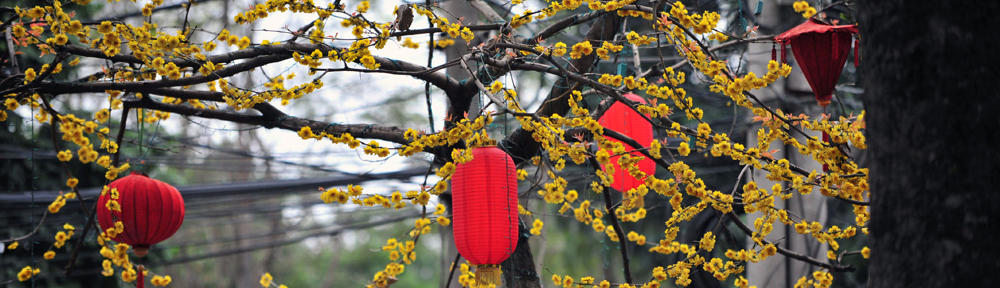
Here’s a NorthWest look, a project we did in Vancouver, British Columbia just prior to the World’s Fair there. These are all Shirotae Cherries, gorgeous when in bloom and we just barely missed it, picture-wise. Nevertheless, I love the look of the blossoms on the ground. We planted them densely, making a literal grove out of them. Believe it or not, there is a basement parking lot under this stand of trees.
April 24, 2006
This was a featured Model Home in an upscale development here in Reno. It still acts as a model home and I still get work from it, after 4 years. We applied stamped concrete as the surface and built this cute little bridge over a “strait” in the water feature. Almost all of the rocks in the pond were large round boulders, giving it a “Lake Tahoe Look”. This was taken soon after completion. The plant growth to now is very pleasing, more mature and even a bit shadier. I shall try and take some soon of the maturer phase.
April 21, 2006
This one is a composite bubble rock. By that I mean various rocks cemented together. We had a fairly sterile look going with this water feature we adapted and cut down in height. By placing the bubble rock inside it, it gave a naturalistic edge to the scene plus the rock with water running looks excellent with lights hitting it at night. Plenty of angles and shiny moments. The goal was always to drench the rock and allow the night lighting to play on it.
April 18, 2006
This is an unfortunately premature picture of this waterfall, prior to planting and finishing the landscape. After getting this far, I lost my camera for a bit, lol. Just the same, it was a fun project, shooting 500 gallons a minute over this thing, using 6 inch pipes, a huge roar and an upper basin that filled faster than my foreman and I expected. We got drenched.
April 14, 2006
I took over this project after my predecessor had humongous problems with it. It was a labor of generosity, in a way, from my company to this couple who were fund raisers for projects close to our heart. The lady who lived here had a sense of urgency inasmuch as she may have had a terminal illness. She desperately wanted to have something very much like what we provided. Calm water, rushing waterfall in the distance, a bog-like area and immensely rich plantings all over. It was truly a little bit of Paradise. The pond required piecing and gluing together a monlithic liner 60 by 70 feet. It took about 8 of us to move it, constantly fanning the liner to allow the air to help us.
In the end, the proudest factor I wore after the successful completion for this delighted couple reasted in how finished we made it look, right away. Somehow, we were able to make it look as though it had been there a long time. We used debris from the forest, picked up old logs, did all sorts of wild things. Credit went to alot of people on this one, one of my all time favorites.
The pictures taken here were taken the day of completion.
April 11, 2006
Wrought Iron is an incredible possibility. The delicacy yet strength of wrought iron is its hidden positive character. Here we have an excellent example of virtual artisanship. The painting of the roses and butterflies imbedded in this swinging gate adds yet another delightful and colorful aspect.
April 7, 2006
Here are some gorgeous rocks used by a door front. Pleasant sounds, warm and greeting, a nice and luxurious surprise for visitors.
April 6, 2006

I spent half a year or so working as one of the few Americans on-site at the Portland, Oregon Chinese Garden Project. It was one of the most fascinating experiences I ever had in landscaping. Initially, I worked just supplying irrigation throughout. A very small crew and I laid alot of pipe, cored through the underlaying concrete stems walls for the gorgeous buildings built there, arranged and designed on the fly the rudiments of water supply for the plants my company was also selected to provide. During the course of it all, I was able to witness the Chinese techniques and artisanship that the 150 guys from Zouchou, China provided. Among many fascinating techniques was the installation numerous pebbled sidewalks and plazas, constructed of series of pebbles, presized to match, basically, and inserted into cement. The theory is even nicer than the look: the pebbles “massage the feet” as one walks.
April 5, 2006
Just another look. The reason i am on these currently is that we may be doing his ourselves, locally. In setting it up, one realizes the real cost is labor. Technically, it is quite simple, pouring an underlayment of cement in order to manitin a perfect grade, and selecting pretty much perfectly-matched pebbles. This is not so hard. Many rock and aggregate dealers have sieves which perform this, shaking out similarly-sized rocks and isolating them. Thus they become them avaiable commerically. The real work is in spreading a layer of cement, then placing the darn pebbles. A good washing afterwards is vital, of course, like removing grout from tiles. We will, as these guys did, add a sealant over the top, preserving the structure and bringing out the colors. As one can see, comparing this one and the prior one, patterns are also changeable and totally agreeable to customizing. Write your name!
April 3, 2006
All my projects any more have almost as many perennials as shrubs, right from the onset. Perennials are incredibly reliable. They flower most reliably and come in a wide variety of colors and sizes, from low-lying border plants to tall irises and Giant Shasta Daisies and grasses. The incredible variety of foilage and bloom color make them a “finishing touch” that separates the best contractors/designers from amateurs. What they really offer is variety and, thus, completion.
Perennials have been cultivated for centuries. They are our oldest plants and bear little, if any, resemblance to their antecedents. Because of their incredible changes and hybridization, most have become seedless. It means most of them can be divided for use elsewhere in a garden. The plants will expand, even get very territorially dominant, but can be divided every other year or so for placement elsewhere. Mums, Irises, even penstemmons, a favorite of mine, may be moved and replaced, adding to fill in, gradually, empty spots in a landscape.
I include grasses in the perennial category. It seems there is yet another new hybrid of grasses every year, just an amazing explosion of available and exotic-looking plants that has many using them more and more often. Clumped grasses have become a standard in many places and are gorgeous. Ranging in height and breadth, from the huge Pampas Grasses to the smaller Oat Grasses, the selection has become most fun.